
FTTH Fiber Access
An FTTH link runs from the OLT through feeder cable to the distribution box, then via distribution cable into the building, and finally to the subscriber ONT over butterfly drop cable. What decides installation speed and failure rate is not the backbone but that last drop: tensile strength, bend radius around corners, and UV-resistant jacketing.
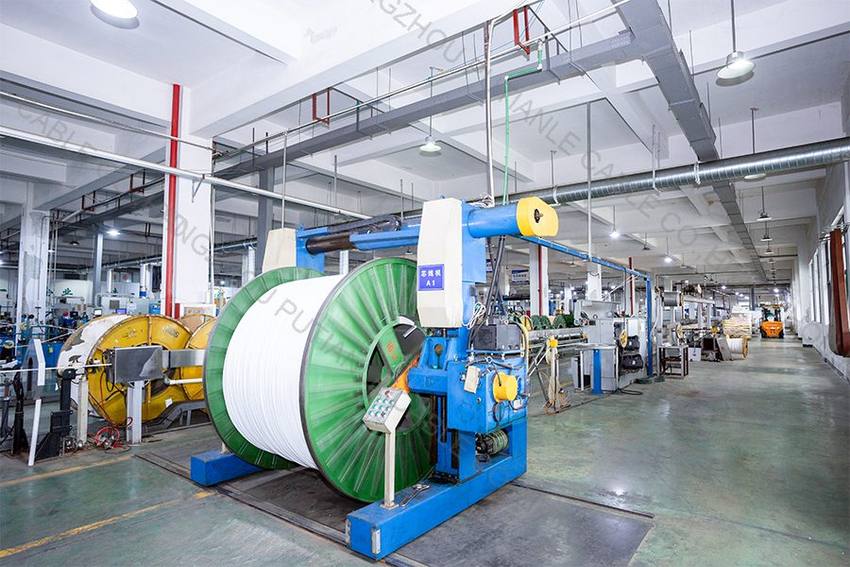
How the link is put together
From the central office to the distribution box, using GYTA armored outdoor cable with spare capacity for future subscribers.
Splicing and splitting inside the cabinet; small-count GYXTW or duct cable carries distribution into the building.
1:8 or 1:16 splitting with enough slack storage to avoid bend-induced loss.
GJXH butterfly drop cable with G.657A2 fiber for tight corners, strengthened by steel wire or FRP.
What to specify
Fill these in and any supplier can quote the same basis — which is exactly why we publish them.
| Fiber type | G.652D backbone / G.657A2 drop, 7.5 mm bend radius |
|---|---|
| Drop fiber count | 1 / 2 / 4 core |
| Strength member | Steel wire for self-supporting; FRP for non-metallic, lightning-safe runs |
| Tensile strength | ≥ 200 N short term, ≥ 100 N long term for 1-core drop |
| Jacket | LSZH or PE; UV-stabilised outdoors |
| Temperature | -40 to +70 °C outdoors |
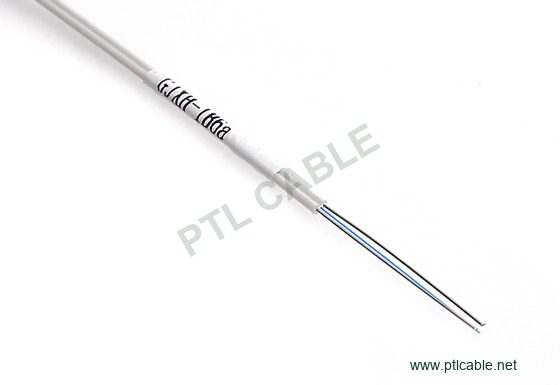
GJXH Fiber Optical Cable
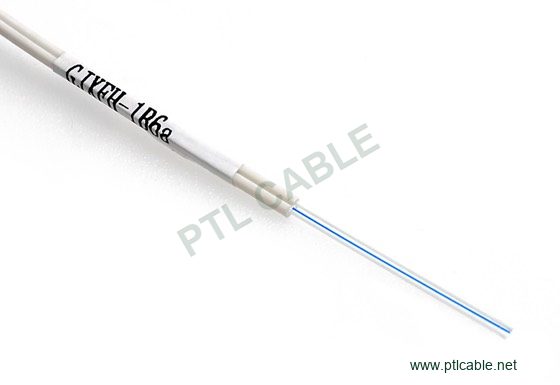
GJXFH Fiber Optical Cable
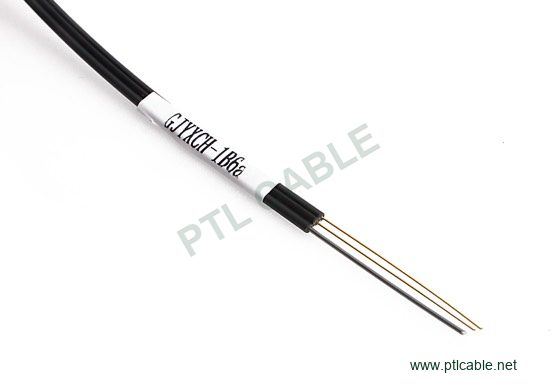
GJYXCH Fiber Optical Cable
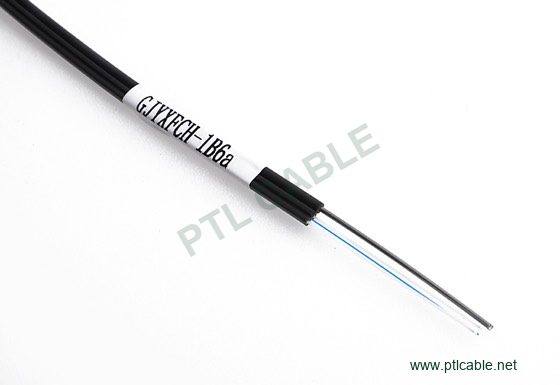
GJYXFCH Fiber Optical Cable
Questions we get asked
Self-supporting or standard drop cable?
For aerial drops choose self-supporting cable with an integrated messenger wire, which spans 30–50 m without extra strand. Along walls, in conduit or trunking, standard drop cable is enough. In lightning-prone areas or near power lines, use an all-dielectric FRP construction so surges are not carried indoors.
What differs between G.652D and G.657A2?
Attenuation at 1310 and 1550 nm is similar; the difference is bending. G.657A2 keeps added loss negligible at a 7.5 mm radius, which suits corners and cabinet slack storage, while G.652D is more economical for backbone and long haul.
Can drop cables be pre-terminated?
Yes. Pre-terminated drops carry SC/APC or SC/UPC connectors on both ends, tested for insertion and return loss in the factory, and plug in on site — a clear saving in splicing hours on volume rollouts.
Need a quotation?
Send us your specification and we will reply within one working day.