
Radar, Test & Industrial RF
Radar, chamber and laboratory RF chains are sensitive to three things: insertion loss, phase stability and shielding. Semi-flexible and high-temperature cables dominate here — once formed, their electrical length stops changing and phase stays repeatable, whereas an ordinary braided cable shifts phase every time it is bent.
How the link is put together
Start from the allowable insertion loss and work back through the dB/m curve to a diameter — not from a model number.
Semi-flexible for fixed runs that hold their shape; flexible where the cable moves; PTFE dielectric near heat sources.
SMA or N-type; phase-matched pairs should come from the same batch and be marked with electrical length.
Double shield (foil plus braid) or copper tube, grounded at one or both ends as the equipment requires.
What to specify
Fill these in and any supplier can quote the same basis — which is exactly why we publish them.
| Impedance | 50Ω |
|---|---|
| Temperature | -55 to +200 °C with PTFE dielectric |
| Shielding | ≥ 100 dB with double shield or copper tube |
| Phase stability | Electrical length fixed after forming, suitable for phase-matched pairs |
| Connectors | SMA, N-type, TNC |
| Bend radius | Semi-flex: 3–5 × OD when formed; flexible: 10 × OD |
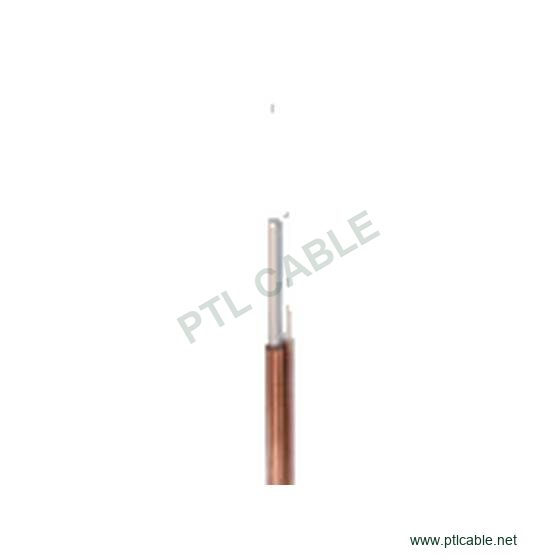
50-047R Formable Semi-rigid Coaxial Cable (Tin-plated Tube)
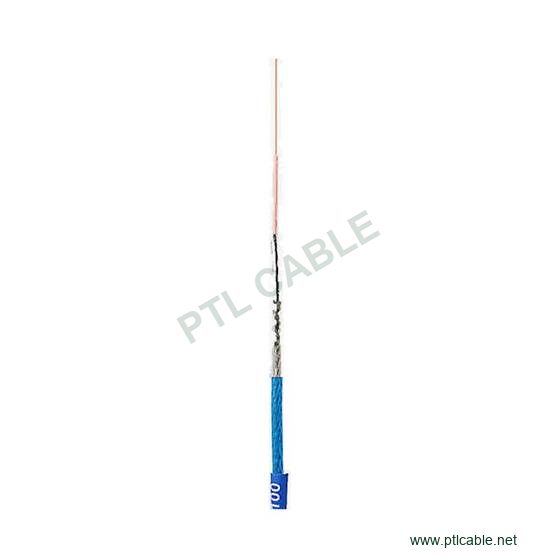
50-047 High-Temperature Semi-Flexible Coaxial Cable
50-086R Formable Semi-rigid Coaxial Cable (Tin-plated Tube)
50-086 High-Temp Semi-Flexible Cable
Questions we get asked
Semi-flexible or flexible cable?
Ask whether the cable will move. For fixed runs that must hold a shape and keep phase, use semi-flexible: it forms and stays, so electrical length is stable. Where the cable is flexed repeatedly or mated often, use flexible or super-flexible and accept slightly higher loss and some phase change with bending.
Can you supply phase-matched pairs?
Yes. Produced and tested in the same batch, then paired by electrical length with the difference held within 1–2° at 1 GHz, and each label marked with electrical length and test frequency.
Can you build special connector combinations to drawing?
Yes — N-to-SMA, SMA-to-TNC, right-angle and bulkhead versions, built to drawing or sample and shipped with insertion loss and VSWR data.
Need a quotation?
Send us your specification and we will reply within one working day.